
Signs of Poor Insulation in Your Orillia Home
- Miclan Kerr

- Jul 21
- 4 min read
Proper insulation plays a crucial role in maintaining comfort and energy efficiency in any home. When insulation is inadequate or deteriorating, it can lead to several issues that affect your living environment and increase your energy bills. Recognizing the signs of poor insulation early can help you take timely action to improve your home's performance. In this article, I will share key indicators that your Orillia home may need better insulation and practical steps you can take to address these concerns.
Common Signs of Poor Insulation in Orillia Homes
One of the first signs of poor insulation is uneven temperatures throughout your home. You may notice some rooms feel colder in winter or hotter in summer compared to others. This inconsistency often means that heat is escaping or entering through poorly insulated walls, ceilings, or floors.
Another clear sign is a sudden increase in your heating or cooling bills without a change in usage habits. When insulation fails to keep the indoor temperature stable, your HVAC system works harder to compensate, leading to higher energy costs.
Drafts near windows, doors, or electrical outlets also indicate insulation problems. If you feel cold air entering or warm air escaping, it is a sign that your home’s thermal barrier is compromised.
Finally, moisture issues such as condensation on windows or damp spots on walls can result from inadequate insulation combined with poor ventilation. This can lead to mold growth and damage to your home’s structure.

Attic insulation with visible gaps indicating poor coverage
How Poor Insulation Affects Your Home’s Comfort and Efficiency
Poor insulation reduces your home’s ability to maintain a consistent temperature. In winter, heat escapes through uninsulated or poorly insulated areas, making rooms cold and uncomfortable. In summer, heat penetrates your home, causing indoor temperatures to rise and increasing reliance on air conditioning.
This inefficiency places extra strain on your heating and cooling systems. They run longer and more frequently, which not only raises your energy bills but also shortens the lifespan of your equipment.
In addition to comfort and cost issues, poor insulation can cause structural problems. Moisture buildup from condensation can damage walls, ceilings, and floors. Over time, this can lead to mold growth, wood rot, and other costly repairs.
Addressing insulation problems promptly helps protect your home’s value and ensures a healthier living environment.
Identifying Specific Areas That Need Better Insulation
To improve your home’s insulation, it is important to identify the areas where heat loss or gain is most significant. Common problem spots include:
Attics and ceilings: Heat rises, so inadequate attic insulation is a major source of energy loss.
Exterior walls: Older homes may have little or no wall insulation.
Basements and crawl spaces: These areas can allow cold air to enter and warm air to escape.
Windows and doors: Poorly sealed or single-pane windows and doors contribute to drafts.
Floors above unheated spaces: Insulating floors can prevent heat loss to garages or crawl spaces.
A professional insulation assessment can help pinpoint these areas accurately. However, you can also perform simple checks yourself, such as feeling for drafts, checking for cold spots, or inspecting visible insulation for damage or gaps.

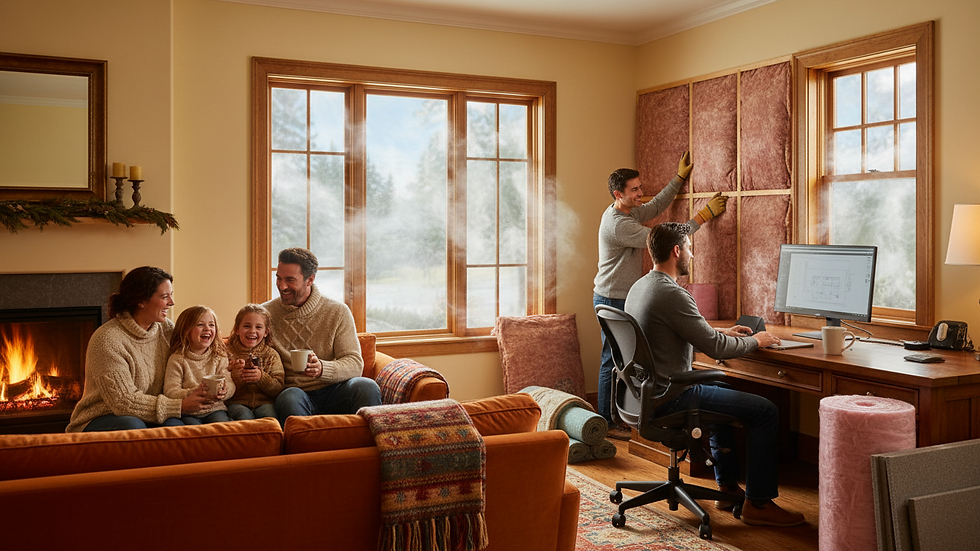
Wall insulation installation showing proper coverage and materials
Practical Steps to Improve Your Home’s Insulation
Once you identify the problem areas, you can take several steps to improve your home’s insulation:
Add or upgrade attic insulation: Use materials with a high R-value suitable for the Orillia climate. Ensure even coverage without gaps.
Seal air leaks: Use weatherstripping and caulking around windows, doors, and other openings.
Insulate exterior walls: Consider blown-in insulation or foam board for existing walls.
Insulate basements and crawl spaces: Use rigid foam or spray foam insulation to reduce heat loss.
Upgrade windows and doors: Install energy-efficient models with double or triple glazing.
Use insulated curtains or blinds: These can help reduce heat loss through windows.
For best results, consult with a trusted insulation contractor. They can recommend the most effective materials and methods for your specific home and budget.
If you are looking for reliable service in the area, priority north insulation orillia offers expert solutions tailored to local needs.
Maintaining Insulation for Long-Term Benefits
Improving insulation is not a one-time task. Regular maintenance ensures your home remains energy efficient and comfortable over time. Here are some tips to keep your insulation in good condition:
Inspect insulation annually for signs of damage, moisture, or pests.
Replace or repair damaged insulation promptly.
Keep attic vents clear to prevent moisture buildup.
Monitor your energy bills and indoor comfort for any sudden changes.
Schedule professional energy audits every few years.
By staying proactive, you can avoid costly repairs and enjoy consistent comfort year-round.
Taking Action to Enhance Your Home’s Energy Efficiency
Recognizing the signs of poor insulation is the first step toward a more comfortable and energy-efficient home. Addressing these issues improves indoor comfort, reduces energy costs, and protects your property from damage.
If you notice uneven temperatures, drafts, rising energy bills, or moisture problems, consider having a professional insulation assessment. Upgrading your insulation with quality materials and proper installation will provide lasting benefits.
For homeowners in Orillia and surrounding areas, working with experienced contractors ensures the job is done right. I recommend exploring options with trusted providers like priority north insulation orillia to find solutions that fit your needs.
Taking these steps will help you create a home that is warm in winter, cool in summer, and efficient all year long.


Comments