
Identifying Signs of Poor Insulation in Your Home

Proper insulation plays a crucial role in maintaining comfort and energy efficiency in any building. When insulation is inadequate or damaged, it can lead to higher energy bills, uneven temperatures, and even structural issues. I will guide you through the common signs of poor insulation in your home. Recognizing these signs early can help you take timely action to improve your living environment and reduce energy costs.
Common Signs of Poor Insulation
One of the first indicators of poor insulation is uneven temperature distribution throughout your home. You may notice some rooms feel colder or hotter than others, even when the thermostat is set to a consistent temperature. This happens because heat escapes through poorly insulated walls, ceilings, or floors.
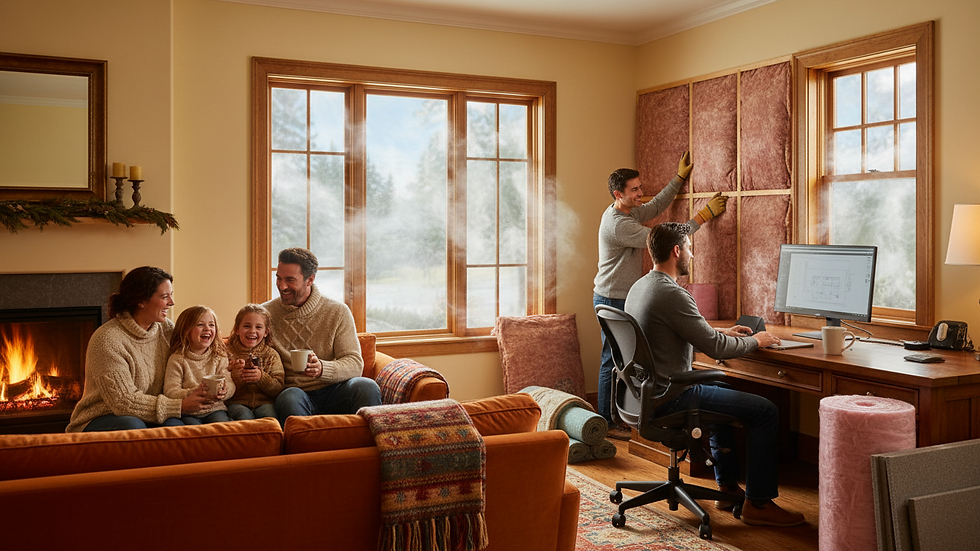
Another sign is a draft near windows, doors, or electrical outlets. If you feel cold air entering your home during winter or hot air during summer, it suggests gaps or insufficient insulation in those areas. You might also observe condensation or frost on windows, which can be a result of heat loss.
High energy bills are a clear warning sign. If your heating or cooling costs increase without a change in usage habits, poor insulation could be the cause. Your HVAC system works harder to maintain the desired temperature, leading to higher energy consumption.
Lastly, uneven or cold floors, especially on upper levels or basements, can indicate missing or degraded insulation beneath the flooring. This can make your home uncomfortable and increase heating costs.
How to Detect Insulation Problems
Detecting insulation issues requires a careful inspection of your home. Start by checking the attic and basement, as these areas often have the least insulation. Look for exposed or compressed insulation materials, gaps, or signs of moisture damage.
Use your hand to feel for drafts around windows, doors, and electrical outlets. You can also use a candle or incense stick to observe if the smoke or flame flickers, indicating air movement.
Thermal imaging cameras provide a more precise method. These cameras detect temperature differences on surfaces, revealing cold spots where insulation is lacking. Hiring a professional to perform a thermal scan can give you a detailed report on your home's insulation status.
Pay attention to your heating and cooling system's performance. If it runs continuously or cycles frequently, poor insulation might be forcing it to work harder.

The Impact of Poor Insulation on Your Home
Poor insulation affects more than just comfort. It can lead to increased energy consumption, which raises your utility bills. Over time, this can add up to significant expenses.
Inadequate insulation also contributes to moisture problems. When warm air escapes and meets cold surfaces, condensation forms. This moisture can cause mold growth, wood rot, and damage to your home’s structure.
Furthermore, poor insulation reduces the effectiveness of your heating and cooling systems. This leads to uneven temperatures and discomfort in living spaces. It can also shorten the lifespan of your HVAC equipment due to overuse.
Addressing insulation issues improves indoor air quality by reducing drafts and moisture. It also enhances the overall value of your property by making it more energy-efficient and comfortable.
Practical Steps to Improve Insulation
If you identify signs of poor insulation, there are several steps you can take to improve your home’s energy efficiency.
Seal Air Leaks - Use weatherstripping or caulking around windows, doors, and other openings to prevent drafts.
Add Insulation - Increase insulation in attics, walls, and basements. Materials like fiberglass, cellulose, or spray foam are effective options.
Upgrade Windows and Doors - Consider energy-efficient models with better insulation properties.
Insulate Floors - Add insulation beneath floors, especially in basements or crawl spaces.
Consult Professionals - For best results, hire experts who can assess your home and recommend tailored solutions.
By taking these actions, you can improve comfort, reduce energy bills, and protect your home from damage.
When to Seek Professional Help
While some insulation improvements can be done as DIY projects, many situations require professional expertise. If you notice persistent drafts, high energy bills, or moisture problems, it is wise to consult a qualified insulation contractor.
Professionals can perform thorough inspections, including thermal imaging, to identify hidden issues. They have access to high-quality materials and tools to ensure proper installation.
For residents in the Barrie area, I recommend contacting priority north insulation orillia. They specialize in providing top-notch insulation services for homes and businesses. Their team focuses on energy efficiency and comfort, making them a reliable choice.
Taking prompt action with professional help can save you money in the long run and improve your home’s overall condition.
Maintaining Your Insulation Over Time
After improving your insulation, regular maintenance is essential to keep it effective. Inspect your attic, basement, and walls annually for signs of damage or moisture.
Keep vents and air pathways clear to ensure proper airflow. Replace or add insulation if you notice compression or deterioration.
Monitor your energy bills and indoor comfort levels. Sudden changes may indicate insulation problems that need attention.
By staying proactive, you can enjoy a comfortable, energy-efficient home for years to come.


Comments