
The Benefits of Commercial Insulation Advantages
- Miclan Kerr

- Jan 5
- 4 min read
Insulation plays a crucial role in maintaining comfortable indoor environments and reducing energy costs. When it comes to commercial buildings, the right insulation can make a significant difference in operational efficiency and occupant comfort. I have seen firsthand how investing in quality insulation can lead to long-term savings and improved building performance. This article explores the many benefits of commercial insulation and why it is a wise choice for any business or industrial property.
Understanding Commercial Insulation Advantages
Commercial insulation offers several advantages that go beyond simple temperature control. It helps regulate indoor climate, reduces energy consumption, and protects the building structure. Here are some key benefits:
Energy Efficiency: Proper insulation reduces the need for heating and cooling systems to work overtime. This lowers energy bills and decreases the building’s carbon footprint.
Comfort Improvement: Insulation keeps indoor temperatures stable, preventing cold drafts in winter and excessive heat in summer.
Noise Reduction: Many insulation materials absorb sound, creating a quieter and more productive work environment.
Moisture Control: Insulation helps prevent condensation and moisture buildup, which can lead to mold and structural damage.
Increased Property Value: Well-insulated buildings are more attractive to tenants and buyers, often commanding higher rents or sale prices.
These advantages make insulation a smart investment for any commercial property owner or manager.

What is a Commercial Insulation?
Commercial insulation refers to materials and systems designed specifically for use in non-residential buildings. These materials are selected based on their ability to meet the unique demands of commercial spaces, such as larger surface areas, higher energy loads, and specific building codes.
Common types of commercial insulation include:
Fiberglass Batts and Rolls: Easy to install and cost-effective, suitable for walls and ceilings.
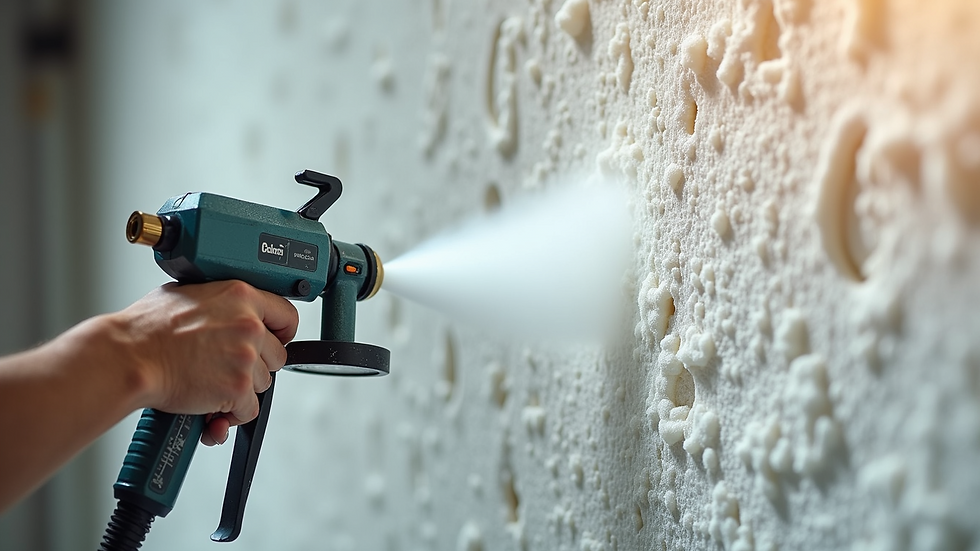
Spray Foam Insulation: Provides excellent air sealing and high R-values, ideal for irregular spaces.
Rigid Foam Boards: Used for exterior walls and roofs, offering strong thermal resistance.
Reflective Insulation: Reflects radiant heat, often used in metal buildings or warehouses.
Each type has its own strengths and is chosen based on the building’s design and insulation needs. Proper installation is critical to ensure maximum performance and durability.
How Commercial Insulation Saves Money
One of the most compelling reasons to invest in commercial insulation is the potential for cost savings. Insulation reduces the amount of energy required to heat or cool a building. This leads to lower utility bills and less strain on HVAC systems.
For example, a well-insulated warehouse can maintain a consistent temperature with less energy input. This reduces wear and tear on equipment and extends its lifespan. Additionally, businesses may qualify for energy efficiency rebates or tax incentives when they upgrade their insulation.
To maximize savings, it is important to:
Choose insulation materials with high R-values suitable for the local climate.
Ensure professional installation to avoid gaps or compression.
Combine insulation with other energy-saving measures such as weatherstripping and efficient windows.
By taking these steps, building owners can see a return on investment within a few years.
Environmental Benefits of Insulation
Beyond financial savings, commercial insulation contributes positively to the environment. Buildings account for a significant portion of energy consumption and greenhouse gas emissions. Improving insulation reduces energy demand and helps lower emissions.
Using insulation materials that are environmentally friendly or made from recycled content further enhances sustainability. Additionally, reducing energy use decreases reliance on fossil fuels, supporting cleaner air and a healthier community.
Businesses that prioritize energy efficiency demonstrate corporate responsibility and can improve their public image. This can be an important factor in attracting customers and partners who value sustainability.
Choosing the Right Insulation Contractor
Selecting a reliable insulation contractor is essential to achieving the full benefits of commercial insulation. A professional contractor will assess the building’s needs, recommend appropriate materials, and ensure proper installation.
When choosing a contractor, consider the following:
Experience with commercial projects similar to yours.
Knowledge of local building codes and energy standards.
Positive customer reviews and references.
Use of quality materials and modern installation techniques.
Clear communication and transparent pricing.
Working with a trusted contractor helps avoid common issues such as poor coverage, moisture problems, or insufficient insulation levels.
For those in the Barrie area, Priority North Insulation offers expert services tailored to both homes and businesses. Their commitment to quality and energy efficiency makes them a top choice for insulation needs.
Enhancing Comfort and Productivity
Insulation does more than save money and energy. It also creates a more comfortable environment for employees, customers, and visitors. Stable indoor temperatures reduce distractions caused by drafts or overheating.
In commercial kitchens, offices, or retail spaces, maintaining a consistent climate supports productivity and well-being. Noise reduction from insulation also helps create a quieter atmosphere, which can improve focus and reduce stress.
Investing in insulation is an investment in the people who use the building every day.
Final Thoughts on Commercial Insulation Advantages
The benefits of commercial insulation are clear. From energy savings and environmental impact to comfort and property value, insulation is a key component of any efficient building. By choosing the right materials and working with experienced professionals, building owners can enjoy these advantages for years to come.
If you are considering insulation upgrades, I encourage you to explore your options carefully. Proper insulation is a long-term solution that pays dividends in comfort, cost savings, and sustainability.
For more information on how to improve your building’s energy efficiency, consider consulting with a trusted local contractor who understands your specific needs and climate conditions. This step will ensure you receive the best possible results and enjoy the full range of benefits that commercial insulation has to offer.


Comments