
Guide to Insulation Material Options
- Miclan Kerr

- Jan 12
- 4 min read
Insulation plays a crucial role in maintaining comfort and energy efficiency in buildings. Choosing the right insulation material can reduce heating and cooling costs, improve indoor air quality, and contribute to a more sustainable environment. This guide provides a clear overview of common insulation material options, their benefits, and practical advice for selecting the best fit for your property.
Understanding Insulation Material Options
Insulation materials vary widely in composition, application, and performance. Each type offers unique advantages depending on the location, climate, and building structure. It is important to understand these differences to make an informed decision.
Here are some common insulation material options:
Fiberglass: Made from fine glass fibers, this is one of the most popular insulation materials. It is available in batts, rolls, and loose-fill forms. Fiberglass is affordable, fire-resistant, and effective at reducing heat transfer.
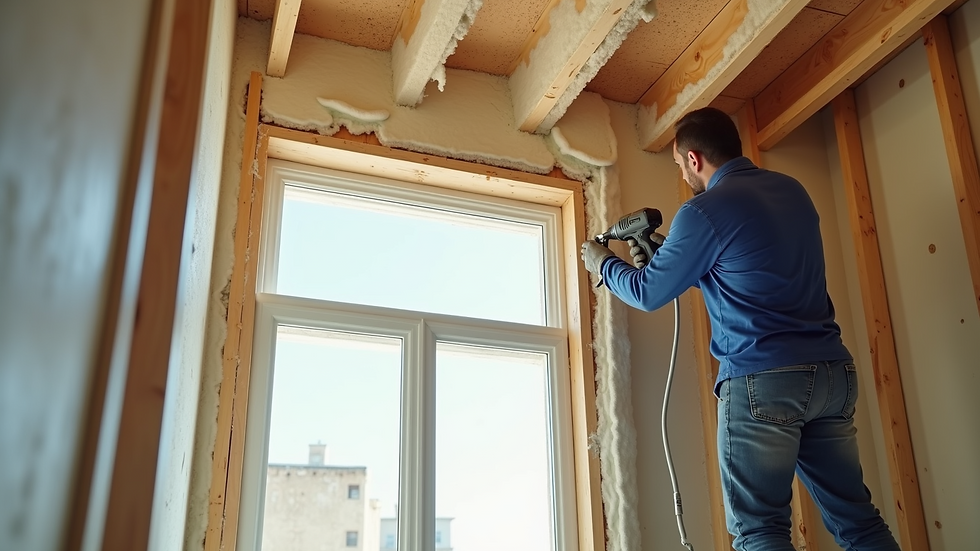
Spray Foam: This material expands on application, filling gaps and cracks. It provides excellent air sealing and high R-values per inch. Spray foam is ideal for irregular spaces and areas prone to air leakage.
Cellulose: Made from recycled paper treated with fire retardants, cellulose is an eco-friendly option. It is typically installed as loose-fill in attics and wall cavities.
Mineral Wool: Also known as rock wool, this insulation is made from natural or synthetic minerals. It offers good thermal resistance and soundproofing qualities.
Rigid Foam Boards: These panels provide high insulation value and are often used in basements, walls, and roofs. They resist moisture and can add structural strength.
Reflective Insulation: This type uses reflective surfaces to reduce radiant heat transfer. It is commonly used in attics and metal buildings.
Each material has specific installation requirements and cost considerations. For example, spray foam requires professional application, while fiberglass batts can be installed by experienced DIYers.

Factors to Consider When Choosing Insulation Material Options
Selecting the right insulation material depends on several factors. I recommend evaluating these aspects carefully:
Thermal Performance (R-value)
The R-value measures the material’s resistance to heat flow. Higher R-values mean better insulation. Consider the climate and the part of the building you are insulating to determine the required R-value.
Moisture Resistance
Some materials absorb moisture, which can reduce effectiveness and cause mold. Rigid foam boards and spray foam offer better moisture resistance compared to fiberglass or cellulose.
Air Sealing Ability
Materials like spray foam provide excellent air sealing, reducing drafts and energy loss. Batts and loose-fill insulation may require additional air barriers.
Environmental Impact
If sustainability is a priority, cellulose and mineral wool are good choices due to their recycled content and lower environmental footprint.
Installation Complexity
Consider whether you will hire professionals or perform the installation yourself. Some materials require specialized equipment and expertise.
Cost
Budget constraints often influence the choice. Fiberglass is generally the most affordable, while spray foam tends to be more expensive but offers superior performance.
Fire Resistance
Check the fire rating of the insulation material, especially for commercial or industrial buildings.
By weighing these factors, you can select the insulation material that best meets your needs and budget.
Practical Applications of Insulation Material Options
Different parts of a building require different insulation approaches. Here are some practical recommendations:
Attics: Loose-fill cellulose or fiberglass is common for attic floors. Spray foam can be used for attic ceilings to create an air seal.
Walls: Fiberglass batts are standard for wall cavities. For new construction, rigid foam boards can be added to exterior walls for continuous insulation.
Basements and Crawl Spaces: Rigid foam boards resist moisture and are suitable for basement walls. Spray foam can seal gaps and prevent air infiltration.
Roofs: Spray foam insulation is effective for roof decks, especially in flat or low-slope roofs.
Soundproofing: Mineral wool is excellent for reducing noise transmission between rooms or from outside.
Proper installation is critical to achieving the desired performance. Gaps, compression, or improper placement can reduce insulation effectiveness.
How to Maintain and Upgrade Insulation
Maintaining insulation helps preserve its effectiveness over time. Here are some tips:
Inspect Regularly: Check for signs of moisture, damage, or pest infestation.
Seal Air Leaks: Use caulking or weatherstripping around windows, doors, and vents.
Add More Insulation: If your home is older, consider upgrading with additional insulation to meet current standards.
Hire Professionals: For spray foam or complex installations, professional contractors ensure proper application and safety.
Upgrading insulation can significantly improve energy efficiency and comfort. It is a worthwhile investment that pays off in lower utility bills and increased property value.
Final Thoughts on Insulation Material Options
Choosing the right insulation material is a key step toward creating a comfortable and energy-efficient building. By understanding the benefits and limitations of each option, you can make a confident decision that suits your specific needs.
If you are in the Barrie area and require expert advice or professional installation, consider reaching out to Priority North Insulation. They specialize in providing high-quality insulation services tailored to homes, businesses, and industrial properties. Their commitment to energy efficiency and customer satisfaction makes them a trusted partner for your insulation projects.
For more detailed information on insulation material types, please visit their website.
Thank you for reading this guide. I hope it helps you make an informed choice for your insulation needs.


Comments