
Effective Strategies for Diagnosing Issues Without Wasting Money
- Miclan Kerr

- Dec 23, 2025
- 3 min read
When something goes wrong in your home or rental property, your first instinct might be to throw money at the problem. You might replace parts, call multiple contractors, or buy expensive equipment hoping it will fix the issue. This approach often leads to wasted time and money, especially when the root cause remains unidentified. Whether you’re dealing with malfunctioning heating systems, leaks, or problems in specialized areas like cold rooms, understanding what’s really causing the issue is crucial.
This post will guide you through practical strategies to diagnose problems effectively, avoid unnecessary expenses, and make informed decisions with professional help and personalized reports.

Identify the Root Cause Before Spending
The biggest mistake homeowners and landlords make is guessing what’s wrong and rushing to fix it. This often leads to replacing parts or systems that aren’t faulty, which wastes money and time. Instead, focus on finding the root cause of the problem.
Why guessing doesn’t work
Symptoms can be misleading. For example, a cold room that isn’t holding heat properly might have issues with insulation or window and door seals.
Fixing symptoms without addressing the cause means the problem will return.
Repeated repairs increase costs and frustration.
How to find the root cause
Observe when and how the problem occurs. Is the room warmer during certain times? Does the issue worsen at night or during bad weather?
Utilize basic diagnostic instruments such as thermometers.
Document your observations to provide clear information to a professional.
By following these steps, you prevent unnecessary work so you can concentrate on what genuinely requires fixing.
Work with a Professional Who Offers Clear Options
Once you have a basic understanding of the problem, the next step is to involve a professional. But not just any professional — look for someone who will diagnose the issue thoroughly and provide multiple options for repair.
What to expect from a good professional
A detailed report that covers all rooms of the home.
Clear explanations of what’s wrong and why.
Multiple solutions with pros, cons, and cost estimates.
Advice on short-term fixes and long-term improvements.
For example, if you have a room that is not maintaining temperature, a professional might suggest repairing the window seal, improving insulation, or contacting an HVAC professional. Each option will have different costs and benefits, allowing you to choose what fits your budget and needs.
Benefits of professional guidance
Saves money by avoiding unnecessary repairs.
Prevents damage caused by incorrect fixes.
Helps you plan maintenance to avoid future problems.
Increases the lifespan of your equipment and property.
Use Personalized Reports to Make Informed Decisions
A personalized report is a valuable tool that summarizes the findings from the inspection and outlines your options clearly. This report should be easy to understand and tailored to your specific situation.
What a personalized report includes
Description of the problem and its root cause.
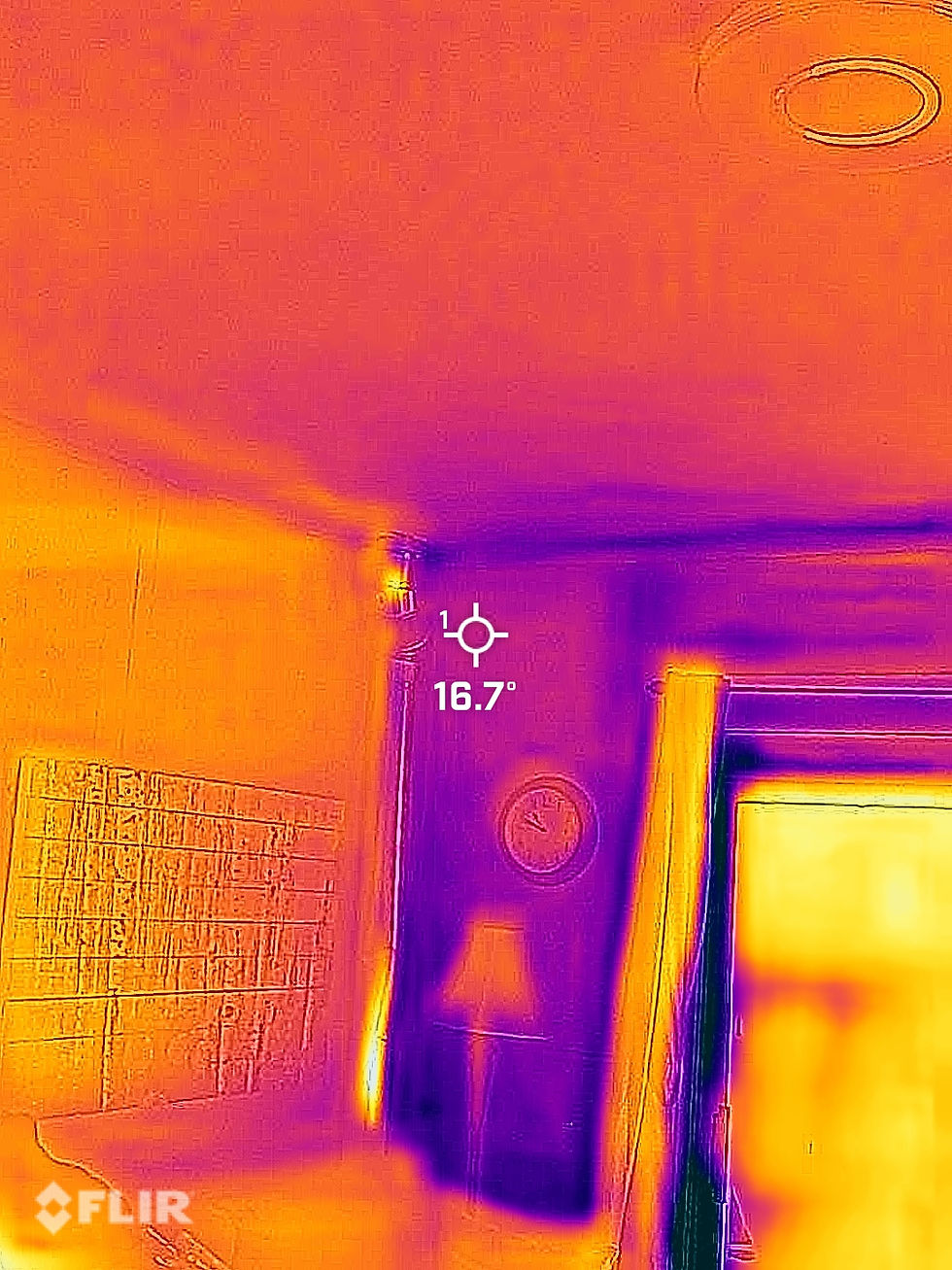
Detailed inspection results with photos.
Recommended solutions with cost estimates.
Maintenance tips to prevent recurrence.
Timeline for repairs or upgrades.
Having this report allows you to study the problem at your own pace and compare options without pressure. It also serves as a reference if you decide to get second opinions or quotes from other professionals.
How to use the report effectively
Review the report carefully and note any questions.
Discuss options with your professional to clarify doubts.
Consider your budget, urgency, and long-term goals.
Prioritize repairs that improve safety and prevent further damage.
Keep the report for future reference.

Practical Example: Diagnosing Issues in Cold Rooms
Homes require precise temperature control and insulation to function properly. If you notice temperature fluctuations or increased energy bills, give us a call.
Step-by-step approach
Observe and record temperature changes and weather or time of day.
Check door or window seals for gaps or damage that let cold air in.
Inspect insulation for moisture or damage.
Call a professional who specializes in insulation or HVAC depending on your issues.
Request a personalized report with options such as sealing repairs, insulation replacement, or HVAC services.
Choose the best option based on cost, urgency, and expected lifespan.
This approach saves you from costly replacements when a simple seal repair might solve the problem.
Final Thoughts
Diagnosing issues without wasting money requires patience, observation, and professional support. By focusing on the root cause, working with experts who provide clear options, and using personalized reports, you gain control over repairs and avoid unnecessary expenses.


Comments